Cherry blossoms are famous in Japan but camellias are beautiful at this time of the year.
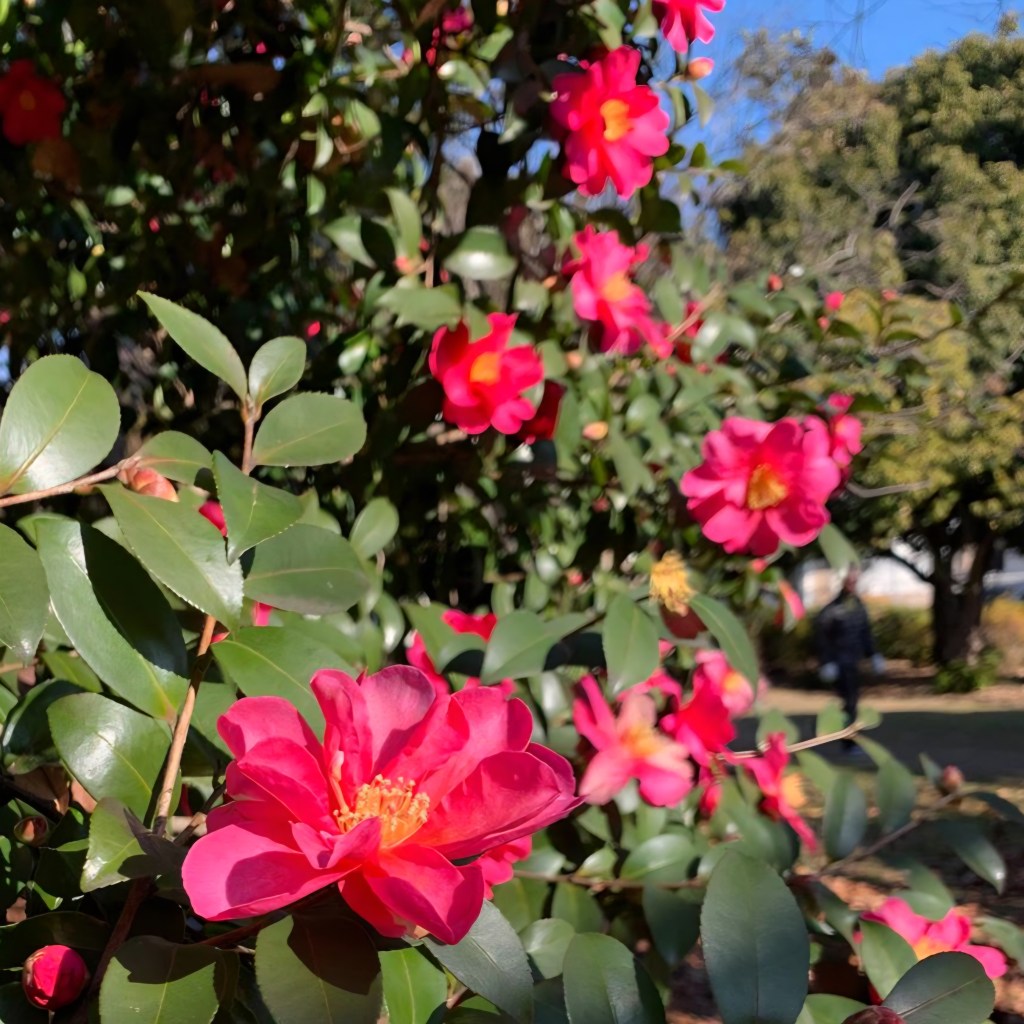
These are Sasanqua Camellias, and the name writes as 山(mountain) 茶(tea) 花(flower). They are popular roadside trees or park trees as both flowers and leaves are alive and beautiful in winter. Leaves can be used as tea.
Last week I visited Shoryakuji Temple in Nara-prefecture to witness original sake making method used in 15th century. It was reconstructed by sake breweries in Nara almost 30 years ago. Every year in January, they gather at the Temple, make 酒母(sake mother), and use it to brew their sake at their own breweries.
Basic procedure is:
Soak uncooked rice (locally produced in town) in water (spring water in the temple) for 2 days to let lactic acid bacteria grow. Water becomes acidic and it prevents unwanted microorganisms from proliferating. Drain and steam the rice. Keep the water in fermentation tank.
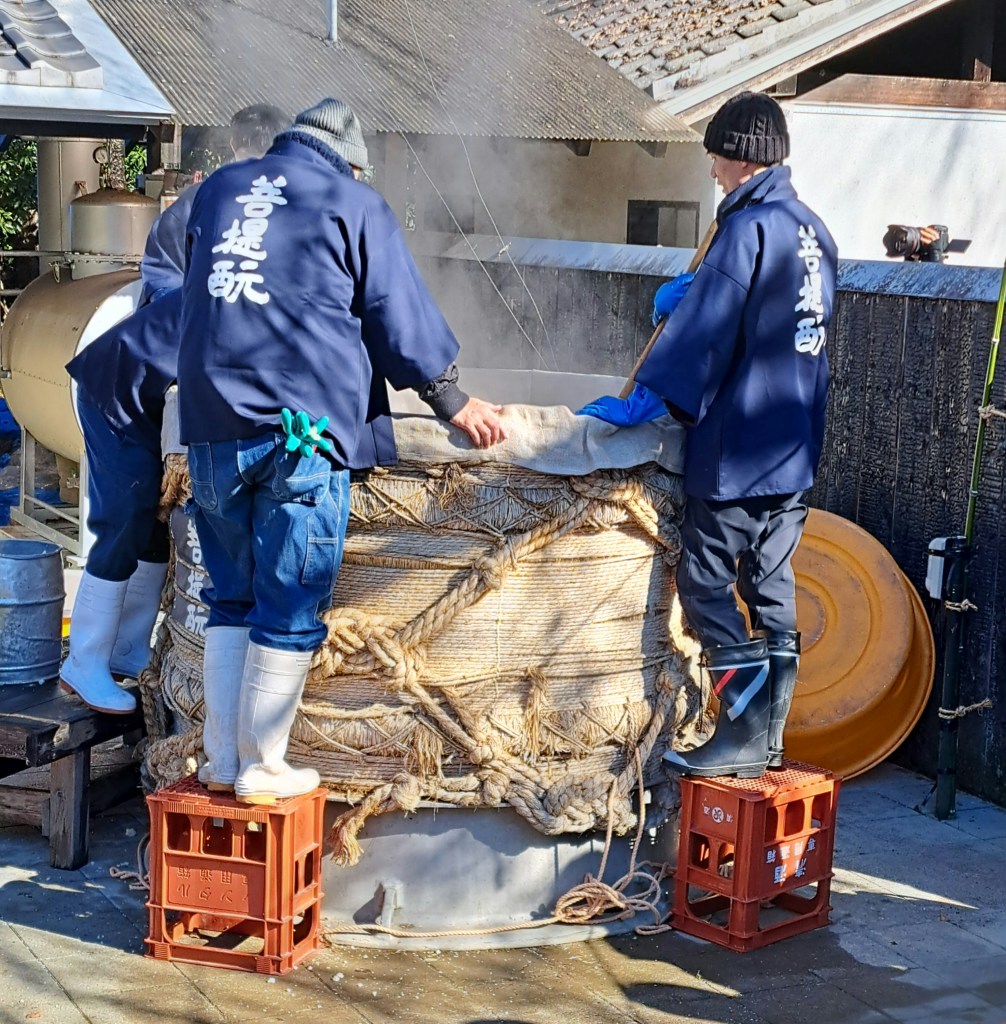
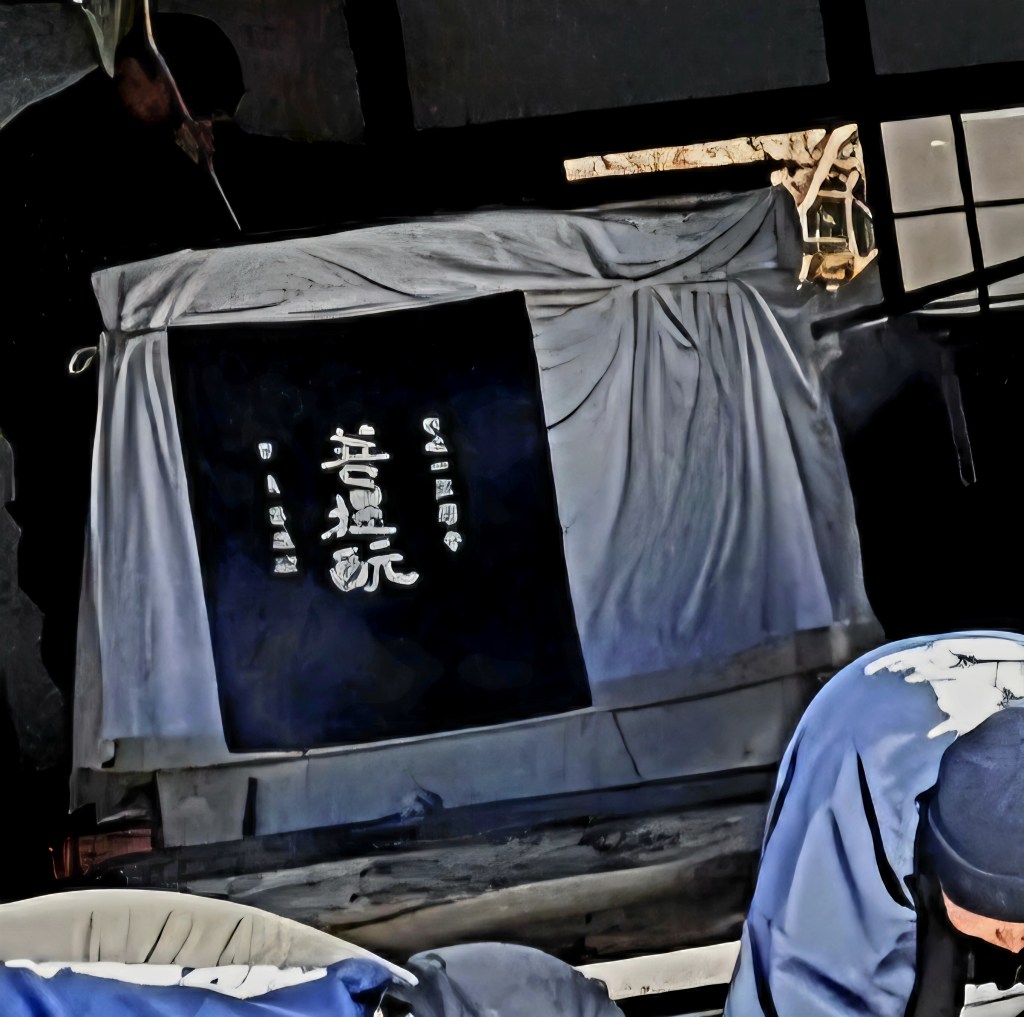
Once rice is cooked, they spread it to cool down, and add it to the acidic water in the fermentation tank with rice koji.
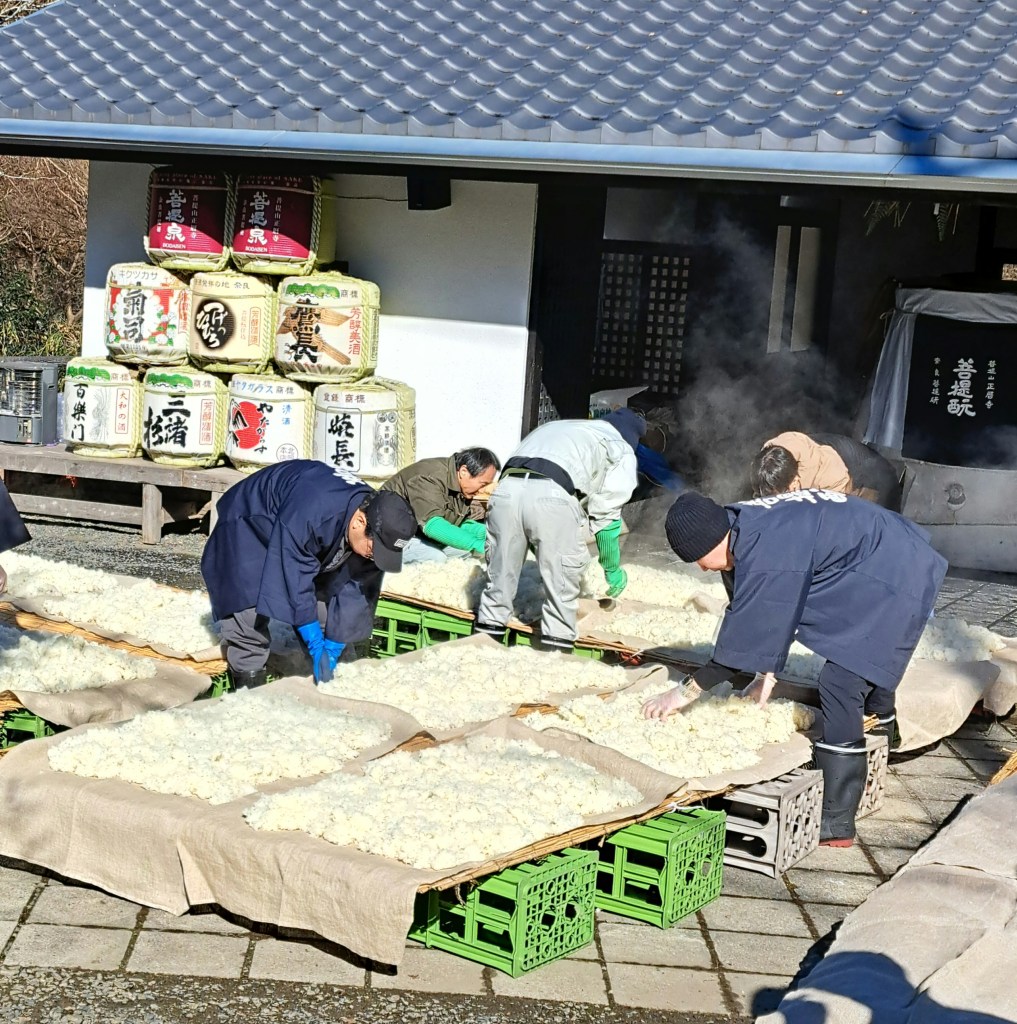
Let it ferment for about 2 weeks under the care of monks at the temple. When it is done, each brewery takes their share and use it to make their own sake.
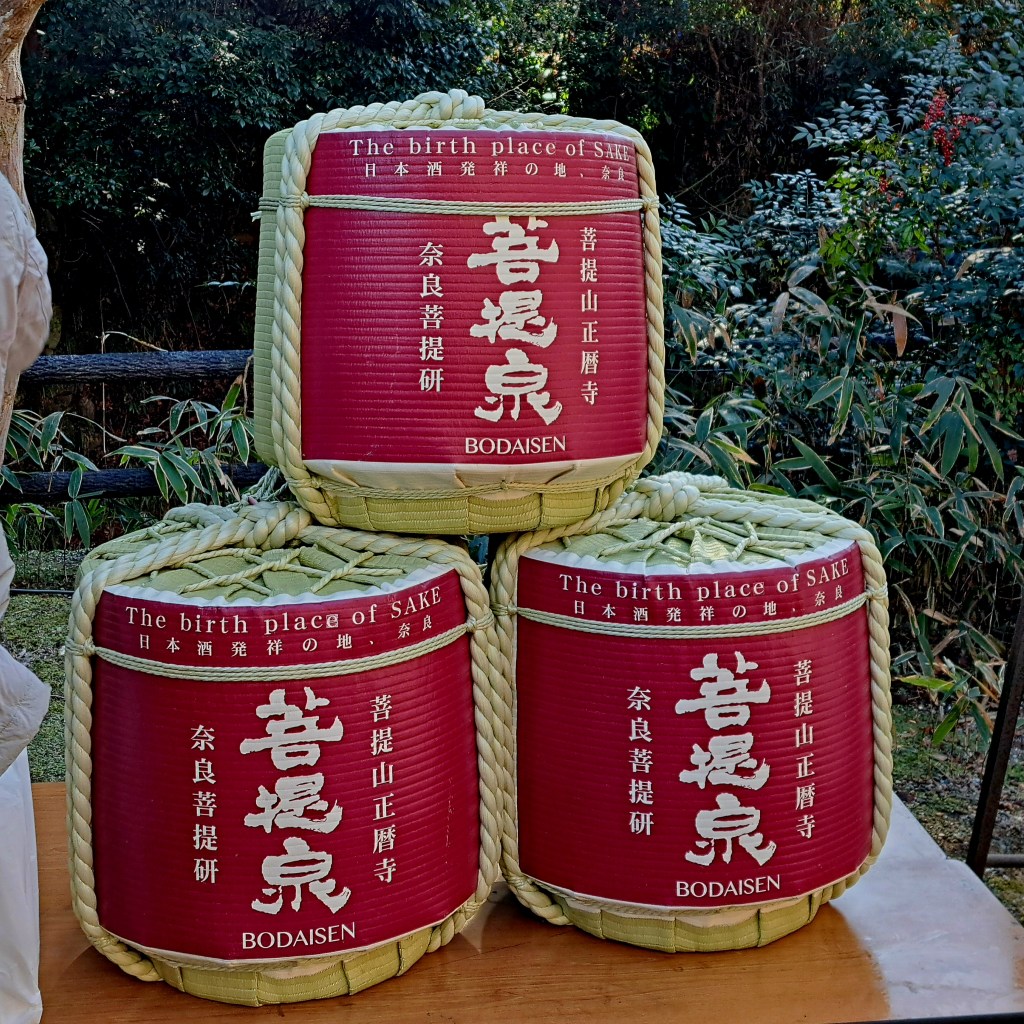
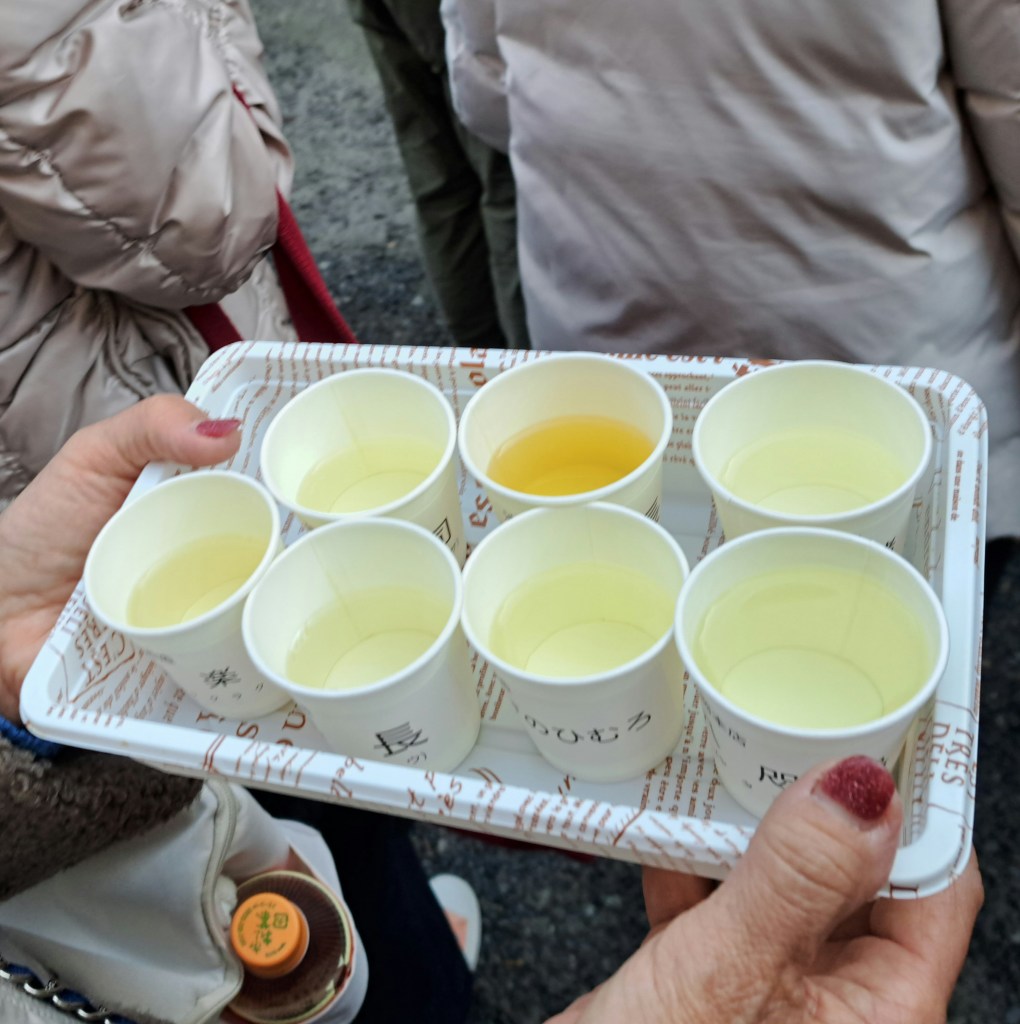
The photo shows 7 different sake made with the same sake mother. They look and taste very different. Of course, they are all delicious!
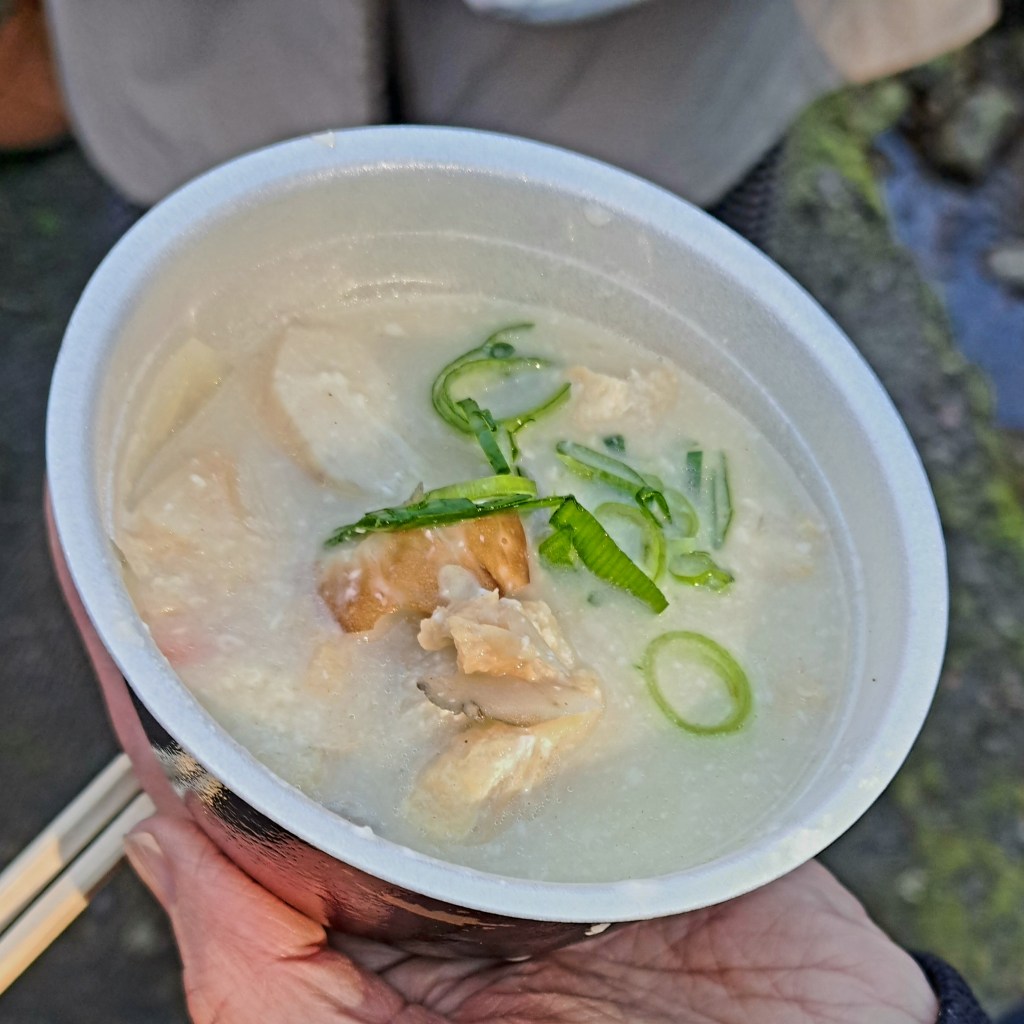
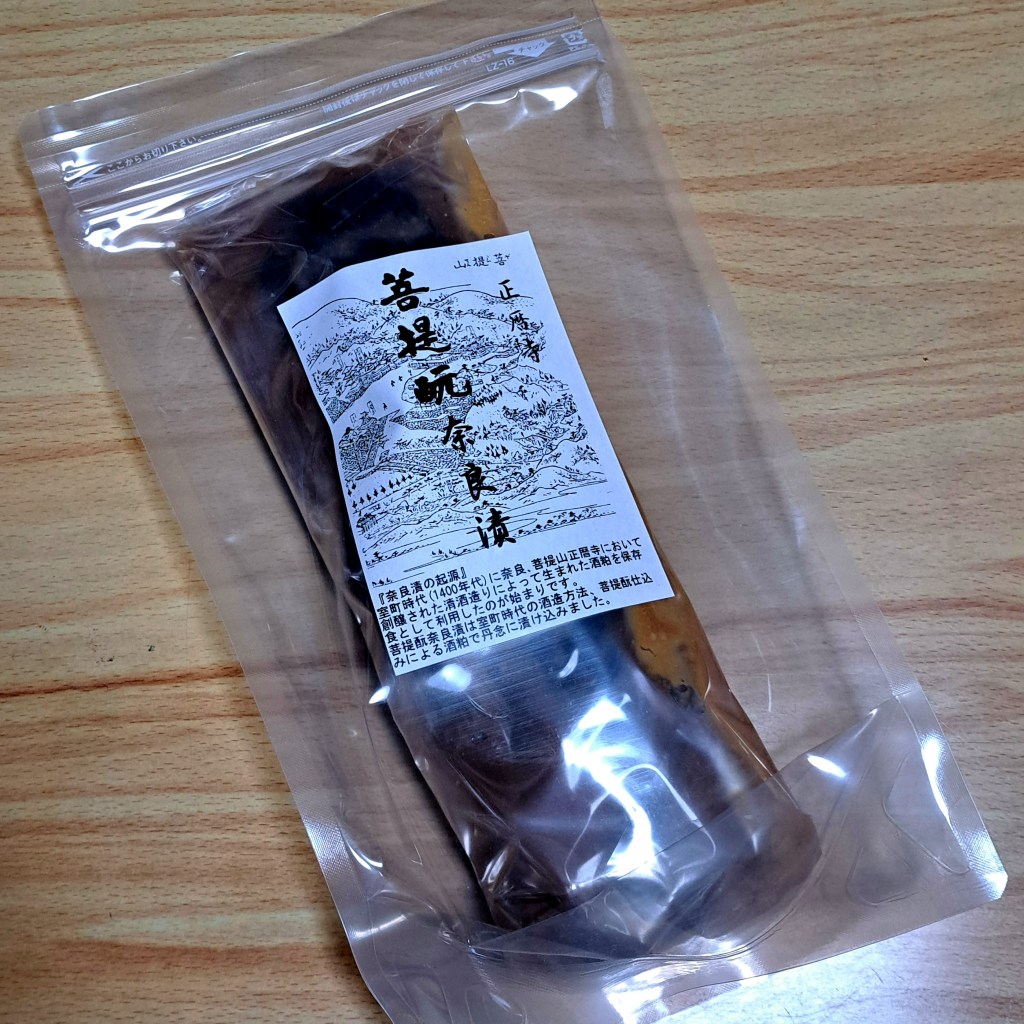
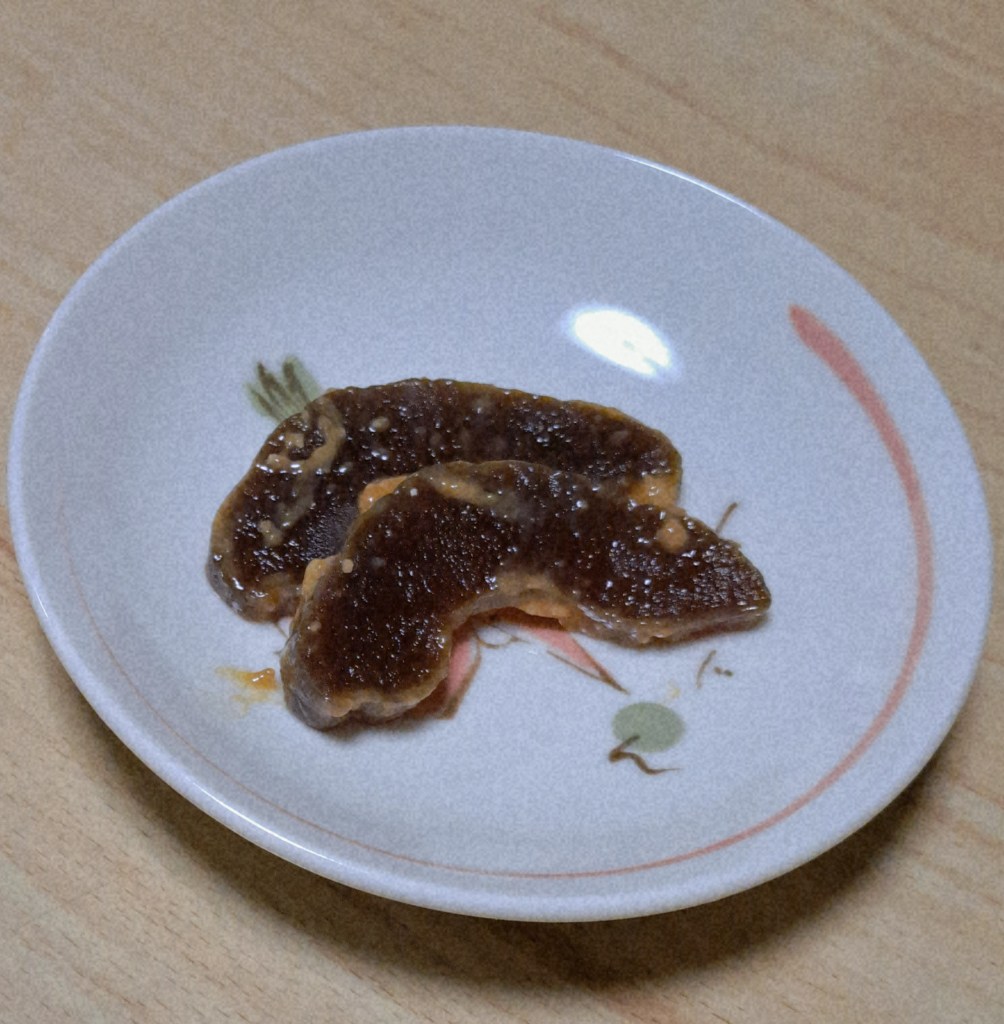
Good sake means good sake lee. Their sake lee soup warms us up and their sake lee pickles are perfect to be eaten with rice or sake.
Stay warm!
 Sora Farm